
Voice Consolidation
Consolidate voice infrastructure performance
Unify multiple voice systems into a single platform that
reduces operational complexity and increases call reliability.
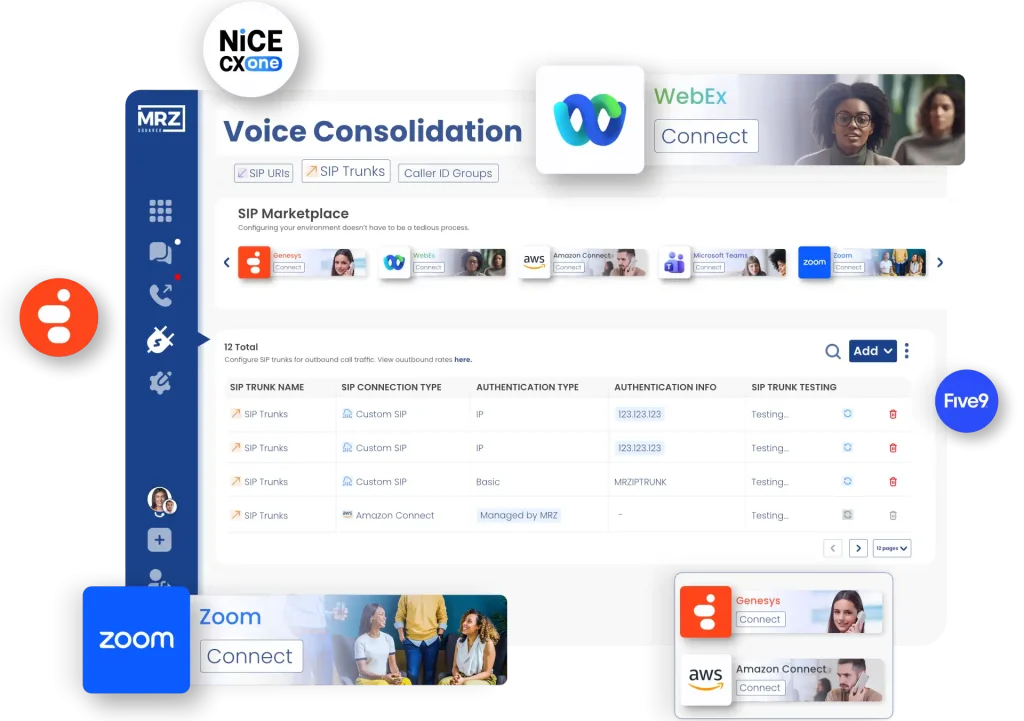
Multiple vendor complexity
Organizations lack unified visibility across carriers, extending troubleshooting time and multiplying points of failure.
Geographic service inconsistency
Providers deliver uneven global coverage, forcing enterprises to patch gaps with additional vendors. points of failure.
Quality degradation across networks
Multi-vendor architectures lack coordinated quality controls, creating inconsistent user experiences. points of failure.
A challenging context
Fragmented systems that undermine operations
Managing disparate voice providers creates security vulnerabilities, increases carrier costs by 30-50%, and extends incident resolution times when troubleshooting spans multiple vendor environments.
Why does Voice Consolidation matter now?
Global growth starts with consolidated voice infrastructure
Enterprise telephony budgets face pressure to deliver 30- 50% cost reductions while supporting distributed workforces. Organizations consolidating voice infrastructure report faster incident resolution and measurable ROI within 12-18 months.
Distributed workforce requirements
66% of employees work hybrid models requiring consistent voice quality across locations and devices.
Security threat surface expansion
78% of enterprises flag voice security gaps, with fraud attacks targeting fragmented provider relationships.
AI integration demands
81% of enterprises deploy voice AI, requiring unified
data flows and consistent call quality for training models.
Carrier cost pressure
Organizations achieve 30-50% telecom savings by
eliminating redundant contracts and negotiating from consolidated
volume.
Infrastructure assessment
Map existing voice systems, identify redundancies, and establish consolidation targets based on traffic patterns.
Unified platform migration
Deploy centralized voice infrastructure with carrier integrations, maintaining business continuity throughout.
Quality baseline establishment
Configure monitoring protocols, set performance thresholds, and validate voice quality across all endpoints.
Carrier optimization
Consolidate vendor relationships, eliminate redundant contracts, and establish single-source accountability.
Continuous monitoring
Track call quality metrics, detect anomalies, and adjust routing rules to maintain service levels.
24/7/365 technical support
Access engineering teams across time zones with guaranteed response times for critical voice incidents.
How it works
One process, tailored to each operational environment

Telecom cost reduction
Eliminate redundant carrier contracts and negotiate volume-based pricing from consolidated spending power.
Faster incident resolution
Single-vendor accountability removes multi-party blame cycles that extend downtime and delay troubleshooting.
Uptime guarantee
Redundant carrier routing and automated failover maintain voice service during network disruptions.
Centralized quality monitoring
Real-time visibility into MOS scores, jitter, and packet loss across all voice traffic sources.
Reduction in security events
Unified authentication and threat detection eliminate vulnerabilities created by fragmented vendor relationships.
Month ROI payback period
Cost savings from vendor consolidation and operational efficiency offset implementation investment rapidly.
Features
Complete visibility for continuity and risk control

Adapted to different scenarios
How to know if your organization need Voice Consolidation?
Enterprises managing voice communications across multiple locations, carriers, or legacy systems gain immediate value from consolidation. Organizations in regulated industries or those supporting contact centers see the strongest impact.
Multi-location operations
You manage voice communications across branches, remote, workers, or contact centers in multiple regions
Compliance requirements
You operate in healthcare, finance, or sectors requiring documented call quality and security controls
Multiple active carrier contracts
Your organization maintains relationships with three or more voice providers to cover geographic gaps

Why MRZ
Complexity controlled through proven security standards
MRZ delivers Voice Consolidation backed by technology infrastructure analytics, 24/7/365 monitoring, and direct relationships with 65+ Tier 1 carriers. We ensure operational excellence through security practices that meet enterprise standards.

Direct Tier 1 carrier access
65+ premium global carriers provide redundant routing paths without intermediary markup or service delays.
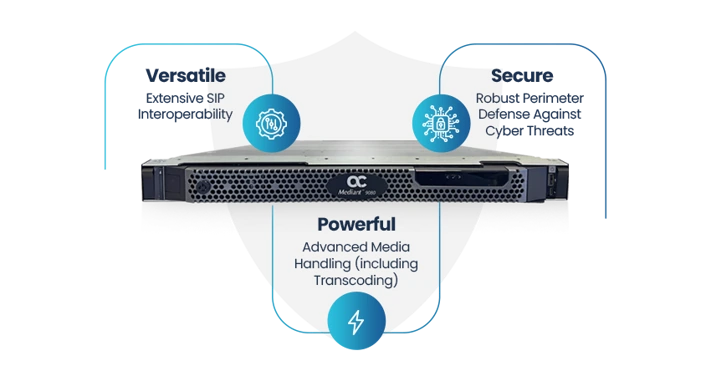
Security-first architecture
Voice traffic protected by enterprise-grade encryption, threat detection, and compliance with industry regulations.

Real-time analytics
Continuous monitoring surfaces performance issues before they impact users, with data-driven capacity planning.
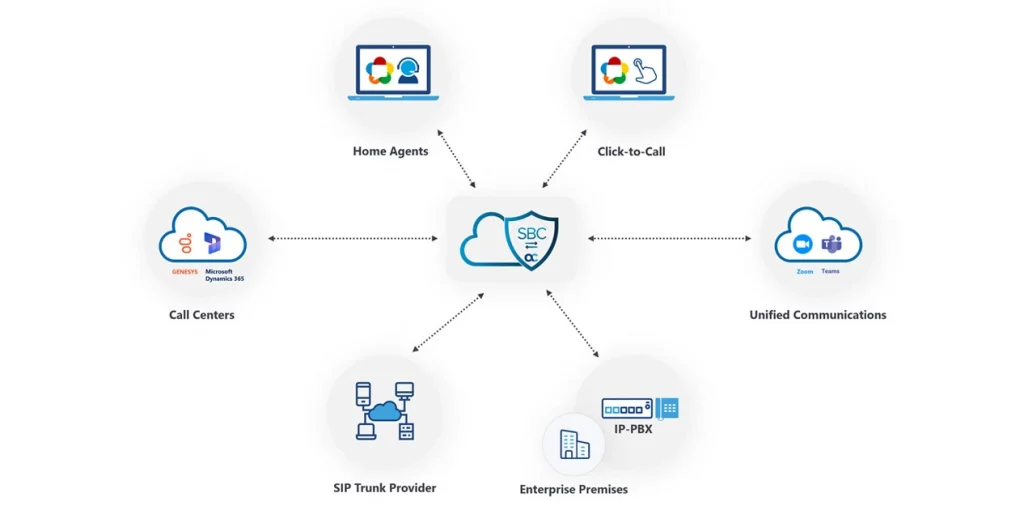
Global service from Miami
US-based operations with partner networks in Mexico, Colombia, Brazil, and El Salvador deliver localized expertise.
Bring your voice platforms under a single control point
Contact centers supporting omnichannel customer engagement particularly benefit, as 86% of customers expect consistent interactions regardless of communication channel.
